Corpus Christi looks to San Antonio as drought strains water reserves and accelerates emergency planning efforts
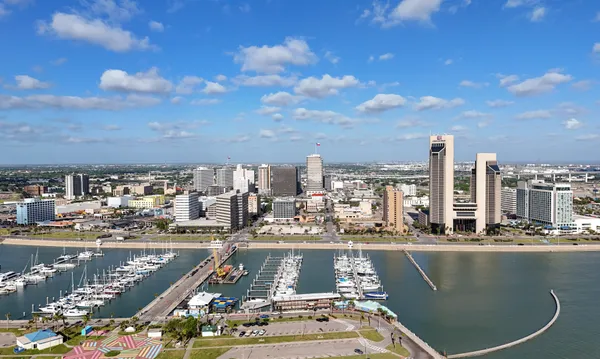
Rising risk of supply shortfalls reshapes water planning along the Texas coast
Corpus Christi’s worsening water outlook is drawing renewed attention in San Antonio as officials on the coast face intensifying drought conditions and a narrowing timeline to secure additional supplies. In recent weeks, the issue escalated into a statewide political flashpoint after Gov. Greg Abbott said Texas could intervene in city operations if local leaders fail to act quickly enough to protect residents’ access to water.
The immediate concern centers on the city’s primary reservoir system—Lake Corpus Christi and Choke Canyon Reservoir—which local observers and city officials have linked to historically low levels during a multiyear drought. Public discussions in Corpus Christi have increasingly focused on how fast remaining reserves could be depleted if dry conditions persist and demand continues to grow.
What connects Corpus Christi’s crisis to San Antonio
San Antonio has no direct role in managing Corpus Christi’s reservoirs, but the two cities’ interests intersect through regional water politics, state funding decisions, and the broader competition among Texas communities for limited water resources during drought. Recent reporting and public statements have also framed Corpus Christi’s industrial base—refineries and other large facilities—as a major factor in local water demand, raising wider economic concerns beyond the Coastal Bend.
Abbott’s remarks included a claim that the state had previously made $750 million available for Corpus Christi to address water challenges, paired with criticism of shifting local plans. Corpus Christi, in its public response, said it remains committed to “water security” for the region and described ongoing coordination with state agencies and elected officials.
Projects under way: groundwater rights, desalination options, and pipeline integration
Corpus Christi’s City Council approved a pair of major water-supply agreements on Oct. 22, 2025. One is a $169.5 million groundwater rights purchase tied to the Evangeline/Laguna project, including rights totaling 24 million gallons and a first phase expected to deliver 12 million gallons per day by November 2026. The plan involves additional permitting and design work, including integration with existing conveyance infrastructure that feeds the regional system.
In the same action, the city authorized an option agreement reserving 50 million gallons per day from a proposed Harbor Island seawater desalination plant once operational. The broader regional concept described publicly includes a desalination plant and associated pipeline system with initial planning discussed at a 100 million gallons-per-day scale.
Why the timeline matters
Separate public accounts of Corpus Christi’s water planning highlight how prior desalination strategies became delayed as projected costs increased substantially over several years. City discussions have also referenced the possibility of emergency conditions by late 2026 without additional supplies, a scenario that could force significant reductions in usage for large customers.
- Near-term target: bring new groundwater supply online by November 2026.
- Long-term strategy: diversify supplies across groundwater and seawater desalination.
- Governance pressure: state leaders signaling potential intervention if progress stalls.
“We can only give them a little time more before the State of Texas has to take over… to make sure every resident… has water,” Abbott said in remarks reported March 11, 2026.
For San Antonio, the developments serve as a cautionary marker of how drought-driven scarcity can rapidly become a regional governance issue—one that can influence state priorities, infrastructure investment decisions, and the pace of large-scale water projects across Texas.