Firefighters Contain Two-Alarm Blaze at Commercial Building as Investigators Work to Determine the Cause
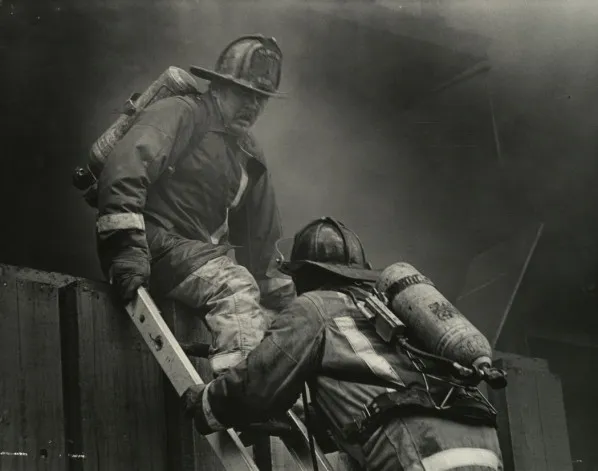
Fire knocks down quickly after second alarm in commercial structure
Firefighters contained a two-alarm fire at a commercial building after crews scaled up resources to bring flames under control and prevent further spread. No injuries were reported in the initial response, and the cause remained under investigation as fire officials began post-blaze assessment and evidence collection.
The incident unfolded at a large commercial structure on Feb. 6, 2026, at 7955 Dorsey Run Road in Jessup, Maryland. The fire was reported at 1:39 p.m. and drew an upgraded response that prompted a second-alarm dispatch, a step typically used to add personnel, apparatus and operational depth when initial crews determine conditions are beyond a standard first-alarm assignment.
Operational challenges: access and ventilation considerations
During the response, crews opened steel drop-down doors to access the building and attack the fire. Fireground access can shape tactics and speed of suppression in commercial occupancies, where roll-down or drop-down doors and large interior spaces can complicate locating the seat of the fire and managing airflow. Establishing access points is also central to determining whether an interior attack is feasible or whether conditions demand a more defensive posture.
Officials did not release additional details on the building’s use, the extent of damage, or whether suppression systems such as sprinklers were present and functioning. Those factors, along with the fire’s area of origin and the pattern of heat and smoke movement, can become central to determining how and why the fire grew to a level requiring a second alarm.
Investigation begins after containment
Once the fire is controlled, investigators typically evaluate several core issues: where the fire started, the first fuel ignited, and the ignition source. In commercial buildings, investigators also assess electrical systems, machinery, storage configurations and any recent maintenance or renovation work, as well as whether doors, fire walls and other compartmentation features performed as designed.
At this stage, authorities have not publicly identified a cause, and the investigation remained ongoing.
What the public may see next
Confirmation of the fire’s official origin area within the structure.
An estimate of damage and any impact on nearby properties or businesses.
Findings on whether building features—such as suppression systems, doors and fire separations—affected fire spread.
A determination of cause, if evidence supports one, or a classification such as undetermined if it does not.
For now, the only confirmed details are the location, the second-alarm escalation, the reported time of the initial call and that the fire’s cause remained under investigation.