Middle East conflict risk boosts oil costs, pushing San Antonio gasoline prices higher ahead of spring travel
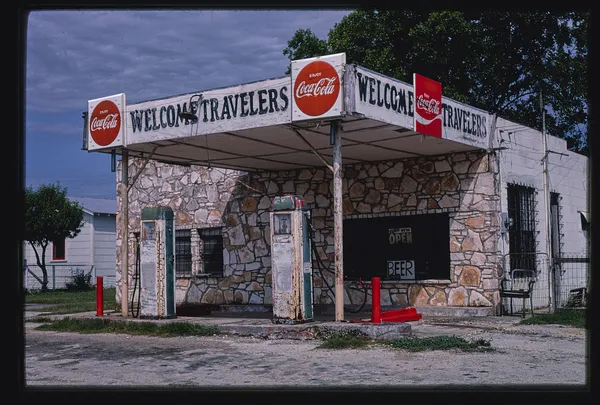
San Antonio pump prices rise as global oil markets price in geopolitical risk
San Antonio drivers are paying more at the pump as global crude markets react to escalating tensions in the Middle East and renewed concerns about disruptions to oil flows through the Strait of Hormuz, a key maritime chokepoint for petroleum shipments. Over the past week, the city’s average retail price for regular gasoline rose by about 42 cents to roughly $3.09 per gallon, tightening household transportation budgets just as spring travel demand begins to build.
The increase reflects a familiar pattern in energy markets: when traders expect supply risks, crude prices often rise quickly, and gasoline prices typically follow with a lag as higher wholesale costs work through refinery operations, distribution terminals and retail stations. Oil price moves can also feed into fuel surcharges for commercial transport, adding pressure to shipping and delivery costs that ultimately reach consumers through a wide range of goods and services.
Why Hormuz matters to Texas drivers
The Strait of Hormuz connects the Persian Gulf to global shipping lanes and handles a significant share of the world’s seaborne oil and petroleum product transit—commonly estimated at around one-fifth of global consumption in recent years. Even without a complete shutdown, heightened military activity, insurance costs, rerouting, and delays can reduce effective supply and increase the “risk premium” embedded in crude prices.
- Crude oil is the primary input for gasoline and diesel, so higher crude prices typically raise refinery feedstock costs.
- Retail gasoline prices also reflect refinery margins, seasonal fuel specifications, inventory levels, and local competition among stations.
- Price effects can vary by region depending on pipeline access, refinery configuration, and spot market conditions along the U.S. Gulf Coast.
Market signals and the path from crude to the pump
In early March 2026, oil prices moved sharply higher as markets weighed the possibility of sustained disruptions in the Gulf. In the United States, the national gasoline average climbed to about $3.11 per gallon in the same period, underscoring that the pressure is not limited to Texas. San Antonio’s jump has been steeper than the national overnight changes reported during the early phase of the move, a reminder that local retail averages can react differently depending on supply logistics and station-level pricing cycles.
When geopolitical risk rises, fuel prices can increase even before any physical shortage materializes, as markets reprice the likelihood of disruption.
What to watch next
In the near term, San Antonio prices will likely track three factors: whether shipping and production risks in the Gulf intensify or ease; how Gulf Coast wholesale gasoline prices respond; and how quickly retailers pass along cost changes. If crude prices remain elevated for weeks rather than days, the impact is more likely to persist into broader inflation-sensitive categories such as freight, food distribution and air travel, particularly during peak seasonal demand.
For drivers, the immediate consequence is straightforward: higher per-gallon costs add up quickly for commuters and families planning road trips, making fuel efficiency and trip timing more financially consequential as the spring travel season approaches.