Rising coyote sightings around San Antonio reflect urban adaptation, winter breeding activity, and accessible neighborhood food sources
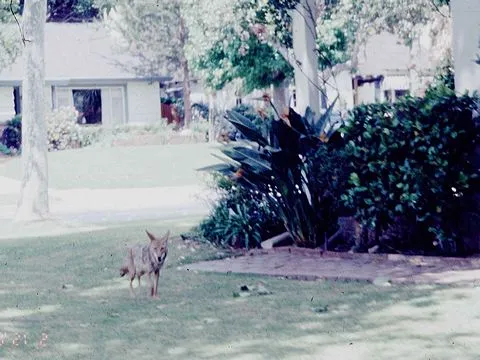
Coyotes are increasingly visible in city neighborhoods
San Antonio-area residents are reporting more frequent coyote sightings in and around neighborhoods, parks, greenbelts and other open spaces. Wildlife officials describe coyotes as highly adaptable animals that can live in close proximity to people, adjusting quickly as development expands into former habitat and as urban landscapes provide consistent shelter and food.
Local guidance emphasizes that most coyotes avoid direct contact with humans and typically leave when confronted. However, encounters tend to rise when coyotes become comfortable moving through residential areas, especially where attractants such as outdoor pet food, unsecured trash, fallen fruit, and rodents are readily available.
Why sightings can increase at this time of year
Seasonal behavior is a significant factor in when coyotes are seen. In Texas, winter marks heightened activity tied to breeding. During this period, coyotes may travel more visibly as they search for mates, establish territory and locate denning areas. Increased movement raises the likelihood of brief daytime and dusk encounters, particularly near corridors that connect natural cover with residential streets.
Urban conditions can amplify that seasonal effect. Coyotes are opportunistic feeders that will consume natural prey, carrion and human-associated food sources. Where neighborhoods consistently provide easy meals—whether intentional feeding or accidental access—animals can return repeatedly and lose their natural wariness of people.
Risk factors: habituation, pets, and rare disease concerns
Public safety messaging focuses on preventing habituation. Coyotes that learn to associate people with food can approach closer than normal, increasing the risk of conflict. While bites to humans are uncommon, officials stress that bolder behavior is more likely when coyotes are fed or when residents do not actively discourage them from lingering.
Pets face a higher risk than people, particularly small dogs and outdoor cats. Reports in urban areas often involve coyotes targeting small animals, especially at night or in low-activity periods. Residents are urged to supervise pets outdoors, keep cats indoors, and use a leash for dog walks.
Health agencies also continue to emphasize rabies precautions for all wildlife encounters: avoid handling wild animals, teach children to keep distance, and ensure pets remain current on rabies vaccination.
What residents can do now
- Remove attractants: keep pet food and water indoors, secure garbage, and pick up fallen fruit and spilled birdseed.
- Reduce cover near play areas: limit dense brush that can shelter rodents and other prey.
- Protect pets: supervise animals outside, keep cats indoors, and avoid letting small dogs roam in yards unattended.
- Use deterrence when appropriate: if a coyote is nearby, make loud noise and use assertive gestures to encourage it to leave without approaching it.
- Report concerning behavior: contact local animal control for aggressive or unusually bold coyotes, and report any bites or potential rabies exposures immediately.
Officials stress that coexistence depends largely on limiting access to food and consistently discouraging coyotes from approaching people and pets.