San Antonio airport not included in ICE assistance rollout as TSA staffing shortages strain checkpoint operations
Federal airport screening pressures expand as DHS shutdown continues
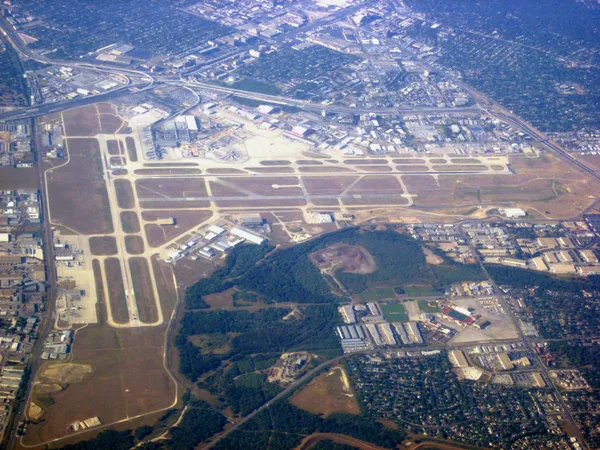
San Antonio International Airport (SAT) has not been identified among the first airports where Immigration and Customs Enforcement (ICE) personnel are being deployed to assist with Transportation Security Administration (TSA) checkpoint duties during the ongoing Department of Homeland Security (DHS) funding lapse.
The administration’s plan, announced over the weekend, calls for ICE officers to support TSA operations at certain airports by performing tasks that do not require TSA screening certification—such as guarding exit lanes and conducting identification checks—while TSA officers remain responsible for passenger and baggage screening.
What the ICE support is—and is not
ICE participation is being framed as a staffing backstop as TSA officers continue to work during the shutdown and as some airports report longer checkpoint lines. The assistance is not intended to replace TSA screeners or expand immigration enforcement functions at checkpoints. Federal officials have emphasized that ICE officers would not operate X-ray equipment or perform standard screening functions reserved for TSA personnel.
Visible ICE presence at checkpoint areas has already been reported at major hubs, including Atlanta’s Hartsfield-Jackson International Airport, where local officials acknowledged federal assistance beginning Monday.
San Antonio’s checkpoint conditions: limited reported disruptions, but regional spillovers remain possible
In recent weeks, SAT has reported comparatively short checkpoint waits even as travelers across the U.S. faced periodic spikes in screening lines tied to staffing pressures. Local airport messaging around peak travel periods has urged passengers to arrive early and to prepare for possible variability, particularly during spring break demand.
Even when SAT’s checkpoint operations remain stable, travelers can still experience disruptions through the broader aviation network. Federal staffing shortages affecting air traffic control have been associated with delays at other airports, which can cascade into missed connections, late arrivals, and flight schedule changes for San Antonio-bound passengers.
How travelers can plan amid continued uncertainty
- Arrive earlier than usual for morning and holiday-period departures, when checkpoint volumes typically peak.
- Carry an acceptable form of identification and confirm that it meets federal requirements before leaving for the airport.
- Monitor airline alerts closely for gate changes, delayed departures, or rebooking instructions tied to systemwide disruptions.
The DHS shutdown has intensified operational stress at U.S. airports by keeping key aviation security and safety personnel on duty during a lapse in regular appropriations, increasing the risk of uneven staffing and variable passenger wait times.
What to watch next
Whether SAT receives ICE assistance may depend on how quickly checkpoint conditions change at the airport and across the region. If staffing pressures deepen at major Texas hubs, ripple effects could raise congestion throughout connecting routes that feed into San Antonio. For now, the earliest ICE deployments appear focused on airports that have reported the most acute screening backups.