San Antonio and Bexar County Teen Mental Health Survey open through April 30, seeking anonymous youth input
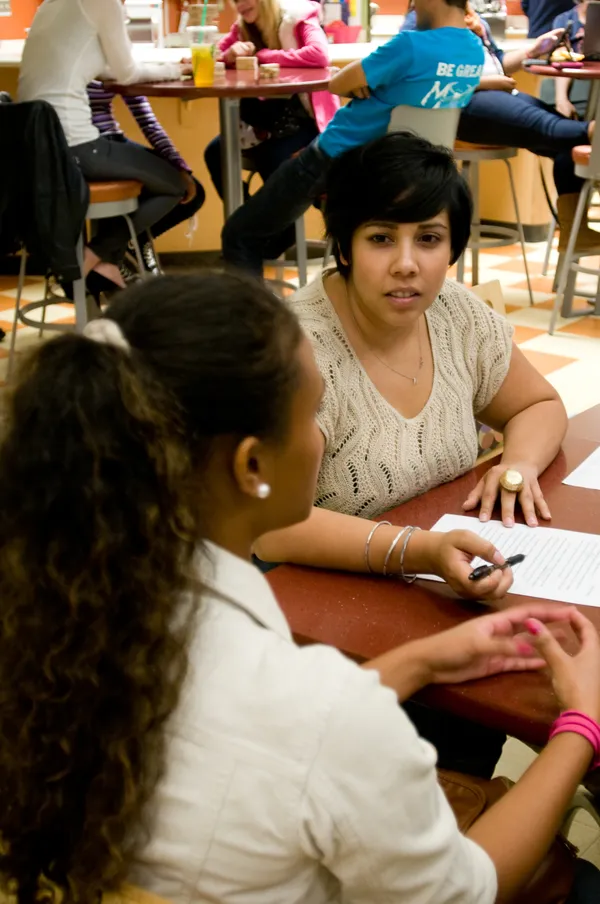
New survey cycle targets teens ages 12–19 across San Antonio and Bexar County
An anonymous Teen Mental Health Survey is now open to young people ages 12 to 19 in San Antonio and across Bexar County, with responses accepted through April 30, 2026. The survey is hosted on the City’s community engagement portal and is available in English, Spanish and additional languages.
The effort is being conducted by youth leadership groups housed within the City’s Department of Human Services: the San Antonio Youth Commission and the Project Worth Teen Ambassadors. City officials describe this year’s questionnaire as the fourth edition of the initiative, designed to capture teen experiences and translate them into recommendations that can guide local programming and resource decisions.
How prior survey results were used
City information on the initiative states the first version was created in 2021 as teen leaders sought to better understand the mental health impact of the COVID-19 pandemic locally. Following that initial data collection, the City allocated $18 million in one-time pandemic relief funds to support teen mental health programs in 2022 and 2023.
In the most recent published summary of survey results—based on Spring 2024 responses—1,455 surveys were recorded with valid responses. The document outlines a range of self-reported indicators and stresses, including depressive traits and behaviors that can correlate with poorer mental health outcomes.
What the 2024 data snapshot shows
- Among Spring 2024 respondents, 51% identified as Hispanic; 51% identified as heterosexual; 33% identified as LGBQ+; and 16% did not disclose sexual orientation.
- The summary notes disproportionately higher percentages of mental health challenges reported by LGBQ+ and gender-diverse youth compared with peers.
- Several listed “depressive traits” decreased from 2022 to 2024 in the City’s comparison table, including inability to complete tasks, feelings of helplessness/hopelessness/numbness, and reported substance use measures.
- The report also highlights context factors: teens cited negative effects tied to school, family/home, social media, after-school activities, and—added in 2024—comparison to others.
The City’s summary also reports that “1 in 6” teens said they do not feel comfortable talking with anyone about mental health challenges, and “1 in 4” said their family struggles to cover basic needs sometimes or frequently.
Peer support and training followed earlier findings
City materials connected to the survey state that 2024 insights indicated many teens first turn to friends or peers when struggling, including with substance use. In response, the youth groups partnered with the Center for Health Care Services to offer Teen Mental Health First Aid training, positioning peer-facing education as one practical step aligned with the survey’s findings.
What happens next
The 2026 survey window runs through April 30. City information frames the questionnaire as a tool to help youth leaders communicate needs and support requests to decision-makers. Prior survey results for 2022 and 2024 are publicly posted by the City, and the 2026 cycle is intended to add another data point to track local teen-reported mental health conditions and contributing pressures over time.