San Antonio community-led program expands bluebonnet fields into downtown parks, River Walk, and public sites
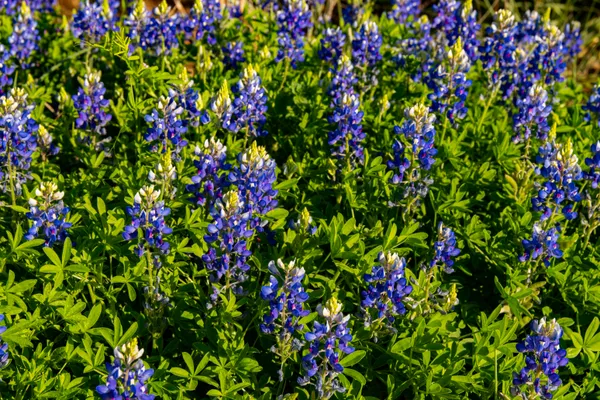
A new push to bring bluebonnets into the city’s most visible public spaces
A community-driven initiative is working to establish bluebonnet and native wildflower displays across San Antonio, aiming to create reliable, accessible bloom sites in public and community-facing locations throughout Bexar County. The effort is structured around funding, planting, and ongoing care for seasonal displays rather than one-time seeding, with an emphasis on sites that are open to residents and visitors.
Where plantings are planned, and what they are designed to do
Organizers have identified a network of “activation sites” spanning the urban core and beyond, including Travis Park and stretches of the River Walk. The program’s publicly described approach combines landscaping with place-based programming, including art and community activities at selected sites. At Travis Park, plans describe a large-scale bluebonnet field paired with art installations intended to create a signature spring destination downtown.
Other listed locations extend beyond parks into a mix of civic, cultural, nonprofit, and business-adjacent spaces. The initiative’s site list frames the displays as seasonal features that can be revisited year to year, building a dependable set of local bluebonnet photo and visitation spots without requiring travel to rural fields.
Downtown partnership model and the timeline for blooms
Project materials describe downtown participation that includes Centro San Antonio as a presenting partner for the Travis Park installation. Planting in the urban core has been described as already underway at Travis Park and along the River Walk, with the stated goal of producing visible blooms during the spring season.
Planting plans describe bluebonnets as a seasonal feature in downtown public spaces, including Travis Park and the River Walk.
Ecological considerations: native species, maintenance, and pollinators
Bluebonnets are Texas native wildflowers, and the initiative’s materials position the project as a native-planting effort. Managing urban wildflower displays typically requires coordination around soil preparation, timing, irrigation limits, mowing schedules, and public access—especially in high-foot-traffic locations. The program also highlights pollinator habitat as a practical outcome of expanding native flowering areas, reflecting a broader interest among cities in using native plantings to support insects and other wildlife in developed landscapes.
What happens next
The initiative’s first-year rollout is tied to a defined set of sites, with the longer-term premise that displays can be expanded if maintenance and funding are sustained. For residents, the most immediate change will be geographic: bluebonnet viewing and spring photos—often associated with highways and Hill Country fields—are being intentionally moved into everyday city destinations.
- Planned locations include Travis Park and portions of the River Walk.
- The model emphasizes planting plus ongoing care, not only seeding.
- Programming at select sites includes art and community activities alongside the blooms.