San Antonio Council Proposal Would Rotate Key City Briefings Through All 10 District Locations
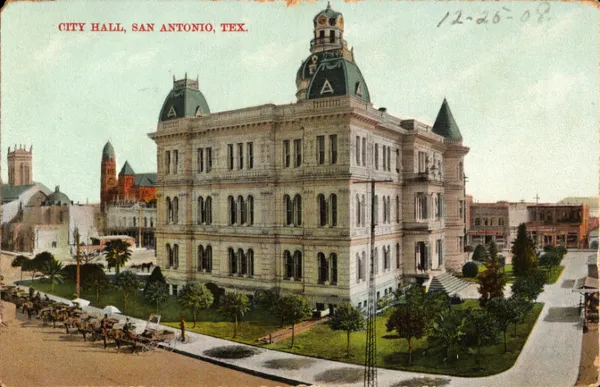
A plan to move portions of City Council work into neighborhoods
A new proposal at San Antonio City Hall would shift where parts of the City Council’s weekly work are conducted, aiming to make certain public meetings easier to attend across the city. The initiative, titled “City Hall to All,” was introduced by District 5 Councilwoman Teri Castillo and calls for rotating some City Council briefing sessions through each of the city’s 10 council districts rather than holding them exclusively in the downtown government complex.
The measure targets meetings commonly known as “B sessions,” which are typically scheduled on Wednesday afternoons and are used for detailed staff presentations on policy topics. In general, B sessions are designed for briefings and discussion rather than final votes. The proposal also references budget briefings, which are often conducted in a similar format as the City prepares its annual fiscal plan.
How the City Council meeting schedule works today
San Antonio City Council generally follows a two-part weekly structure:
A sessions, typically held on Thursdays, which include formal agenda items and Council action.
B sessions, typically held on Wednesdays, which focus on staff presentations and deeper policy discussion.
While the City has held certain public hearings or work sessions outside City Hall at various times, the standard setting for the weekly briefing format has remained downtown. Castillo’s proposal would build a regular rotation model for selected briefings, taking them into district-based venues around San Antonio.
Rationale and practical considerations
Castillo has said the goal is to broaden public engagement by reducing barriers for residents who may find it difficult to travel downtown, navigate parking, or attend midweek meetings far from home. She also argued that holding briefings in multiple parts of the city could give Council members additional on-the-ground exposure to issues outside their own districts.
Any recurring change in location would require logistical planning, including selecting appropriate facilities, ensuring compliance with open-meetings notice and accessibility standards, and providing reliable audio-visual capabilities for broadcasting and archiving. San Antonio government programming is routinely carried on the city’s public channel and online platforms; a rotating meeting model would need to preserve consistent public access for residents who watch or participate remotely.
What happens next
The proposal is scheduled to be reviewed by the City’s governance committee, which is expected to evaluate feasibility and operational impacts before determining whether to advance the idea for broader Council consideration.
If advanced, the plan would not change the Council’s authority or voting procedures; it would primarily alter where certain briefings are held and how residents can access them in person.
No implementation timeline has been adopted. Key outstanding details include which specific briefings would rotate, how often locations would change, and what additional staffing, security, or technology costs—if any—would be required to conduct meetings consistently across all 10 districts.