San Antonio Gas Prices Rise to $3.17 Per Gallon, Outpacing Several Other Texas Metro Areas
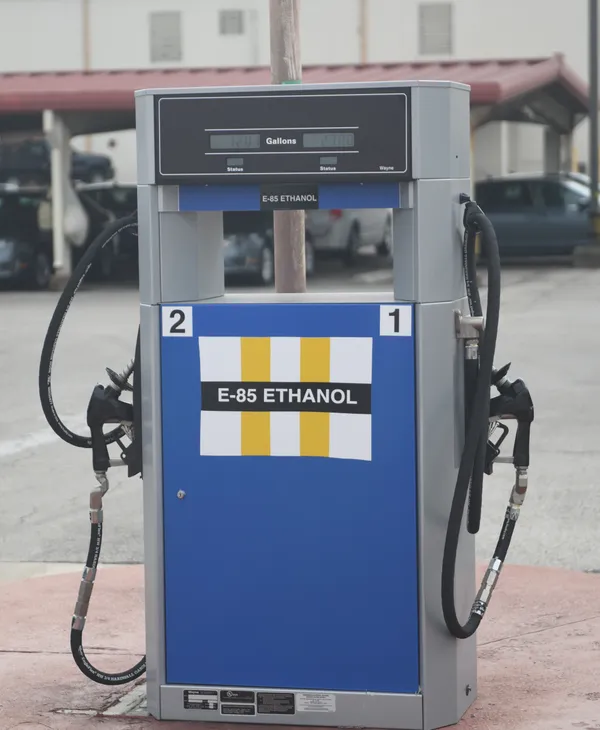
What drivers are seeing at the pump
San Antonio’s average price for regular gasoline has climbed sharply in recent days, rising about 26 cents to $3.17 per gallon. The jump places the city above the Texas statewide average at a time when fuel costs are moving higher across much of the country.
While prices vary widely by neighborhood and retailer, the metro-wide average is a common benchmark for comparing how quickly costs are changing from city to city. A move of roughly a quarter per gallon in a short window is significant for households and businesses that rely on daily driving, including delivery services, contractors, and commuters across Bexar County.
How San Antonio compares with other major Texas cities
Across Texas’ largest metros, price patterns often reflect a mix of local competition, distribution logistics, and refinery-market dynamics tied to the Gulf Coast. In broad terms, Houston frequently benefits from proximity to refining and distribution networks, while inland metros can see slightly higher averages depending on supply conditions and retail competition.
At $3.17 per gallon, San Antonio is currently positioned on the higher end among major Texas cities. Recent metro comparisons show Dallas and other large markets clustering near statewide norms, with week-to-week differences that can widen quickly when wholesale costs rise. The gap between cities is usually measured in a few cents, but it can expand during fast-moving market shifts, when retailers reset prices to reflect replacement costs.
Why prices can move quickly
Retail gasoline prices are influenced by several components that can change rapidly:
- Crude oil prices, which set the baseline cost for refining gasoline.
- Wholesale gasoline prices in regional markets, especially along the Gulf Coast supply chain that serves much of Texas.
- Seasonal fuel requirements and blend transitions that typically occur in spring.
- Local station competition, which can create noticeable differences between corridors and neighborhoods.
Even within one metro area, pump prices can differ by tens of cents depending on traffic patterns, nearby competitors, and retail pricing strategy.
What it means for drivers in the weeks ahead
For San Antonio motorists, the immediate impact is straightforward: a higher cost to fill up, particularly for larger vehicles and frequent drivers. For businesses, fuel increases can feed into operating costs, especially for fleets that cannot easily reduce miles driven.
Looking ahead, the key question is whether wholesale prices stabilize or continue to rise. If market pressures persist, the recent 26-cent increase could prove to be part of a broader, multi-week shift. If supply conditions improve, retail competition can bring prices down, though declines often lag behind earlier increases.
For consumers, tracking average prices across Texas metros provides context: San Antonio’s move to $3.17 has been comparatively steep, and it currently sits above what many drivers are paying in other large Texas cities.