San Antonio Hemp Retailers Prepare for Texas Rule Change on Smokable Products, Fees, and Testing Standards
March 31 effective date reshapes Texas’ regulated hemp market
San Antonio retailers that sell hemp-derived products are preparing for a major regulatory shift taking effect March 31, 2026, after Texas adopted new rules governing the manufacture, distribution and retail sale of consumable hemp products. The changes are expected to remove most smokable hemp items from store shelves while tightening compliance obligations and raising annual costs for many businesses.
The most significant technical change is the state’s move to a “total THC” testing approach for certain products. Under the new framework, tetrahydrocannabinolic acid (THCA) is included in the calculation used to determine whether a product exceeds the legal limit. THCA is non-intoxicating in its raw form but can convert into delta-9 THC when heated, a conversion that has been central to how many smokable hemp products have been marketed in Texas while remaining within the state’s delta-9 threshold.
Smokable hemp at the center of the market disruption
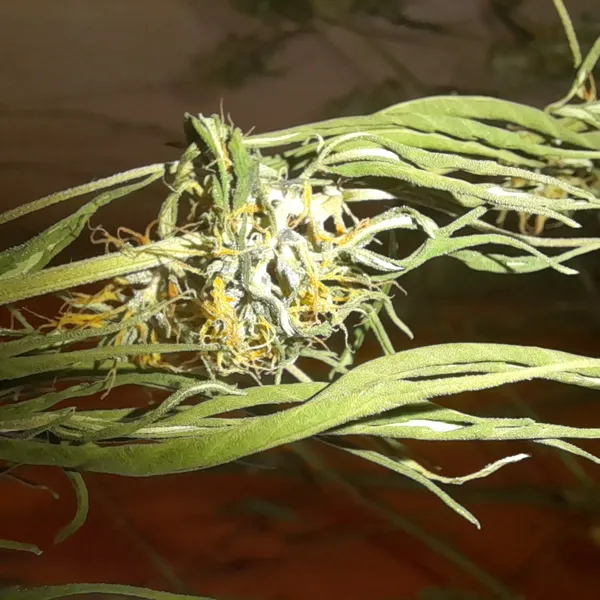
Texas law has long prohibited the processing or manufacturing of consumable hemp products intended for smoking within the state, while court action has allowed distribution and retail sales under certain conditions. The new rules, combined with the total-THC methodology, are widely expected to make much of the smokable category—particularly flower and some extracts—noncompliant for sale in Texas as of March 31.
- Products designed to be smoked are expected to be the most immediately affected.
- Many “high-THCA” hemp flowers that were previously sold as compliant are likely to fail testing under the revised calculation.
- Retailers are preparing for product withdrawals, inventory clearance decisions, and supplier changes ahead of the effective date.
Edibles and packaging requirements, plus stricter age controls
Edible and drinkable hemp products are not treated the same as smokables under the rule change and are expected to remain on the market, subject to updated compliance requirements. Texas has also adopted age-related restrictions through emergency rules: regulated sellers are prohibited from selling consumable hemp products to customers under 21 and must verify age using government-issued identification. Businesses that violate the rules risk losing their state license or registration.
Key compliance themes for retailers now include product testing documentation, age verification practices, and packaging standards for certain product types.
Licensing fees rise sharply for many businesses
The rules also increase annual fees for regulated participants. Retail registrations and manufacturing-related licenses that historically cost a few hundred dollars per location are expected to rise substantially under the newly adopted structure. For stores that operate multiple locations, the fee increases could compound across sites, affecting pricing, staffing, and product mix decisions.
With the March 31 deadline approaching, San Antonio operators are weighing operational pivots—such as shifting shelf space toward compliant edibles, beverages, topicals, and accessories—while monitoring enforcement guidance and the Texas Administrative Code publication of the final adopted rule text.