San Antonio International Airport logs 46 cancellations as winter storm-driven U.S. flight disruptions intensify Sunday
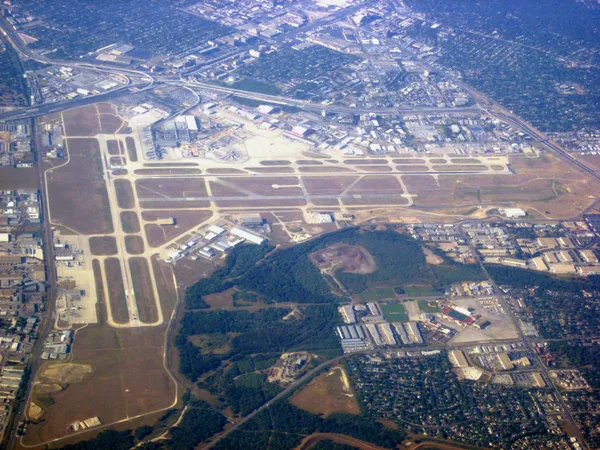
Nearly 50 cancellations at SAT as national storm impacts ripple through airline networks
San Antonio International Airport (SAT) reported 46 total flight cancellations as of 7 a.m. Sunday, Jan. 25, spanning flights scheduled Sunday into Monday, Jan. 26, amid a wave of nationwide travel disruption tied to a sprawling winter storm system.
The breakdown at SAT included 25 canceled departures and 21 canceled arrivals, based on the airport’s posted flight status information at that time. Airport and airline operations remained fluid, with cancellation totals subject to change through the day as carriers adjusted schedules to weather and network constraints.
How a storm far from San Antonio can cancel flights in San Antonio
While San Antonio was not the epicenter of the heaviest winter weather, the U.S. air transportation system functions as an interconnected network. When major hubs and high-traffic corridors experience runway closures, de-icing backlogs, ground stops, or air-traffic flow restrictions, disruptions can cascade to airports that are otherwise operating normally.
On Sunday, nationwide cancellations exceeded 10,000 flights, reflecting widespread reminders of how weather-driven disruptions can spread across multiple airlines’ route structures. Several of the most heavily affected airports were in the Northeast and at large connecting hubs, where a high share of aircraft and flight crews cycle through on tight schedules.
National conditions: widespread cancellations and major airport impacts
Flight cancellation rates rose sharply at several large airports as conditions deteriorated across multiple regions. In the Northeast, cancellation shares at major airports climbed to levels typically seen only during the most severe systemwide disruptions. Federal aviation notices also reflected periods of halted or restricted operations at some facilities.
Beyond aviation, the storm contributed to broad infrastructure strain, including extensive power outages in multiple states and hazardous road conditions. Those factors can further complicate air travel recovery by affecting airport staffing, ground transportation to airports, and the positioning of crews and aircraft.
What travelers at SAT should do before heading to the airport
With cancellations and delays changing rapidly, passengers traveling through SAT on Sunday and Monday were urged to confirm flight status directly with their airline before leaving for the airport and to build in extra time for terminal access and check-in.
- Recheck flight status frequently, including for connecting segments that may be affected elsewhere.
- Use airline apps for rebooking options, seat availability, and updated departure times.
- If a flight is canceled, review alternative routings; systemwide disruptions can reduce remaining seat inventory quickly.
- Keep receipts and documentation; airline policies vary, and weather-related cancellations are often treated differently than carrier-caused disruptions.
As airlines manage large-scale weather disruptions, operational recovery can take multiple days because aircraft and crews must be repositioned while weather and airport constraints evolve.
At SAT, travelers were encouraged to continue monitoring updates through Monday, Jan. 26, as airlines worked to stabilize schedules amid ongoing winter-weather impacts across the country.