San Antonio ‘National Shutdown’ protests target ICE funding, urging no work, school, or shopping Friday
A nationwide action reaches San Antonio as businesses weigh closures and customers face mixed signals
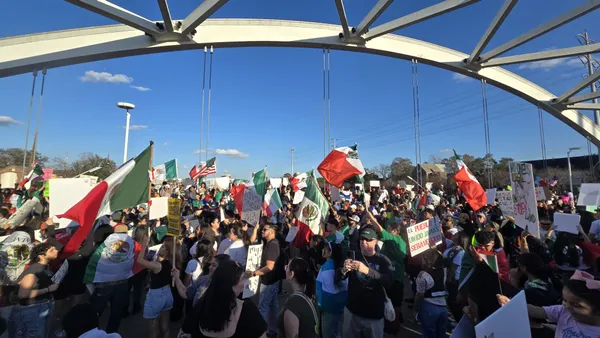
San Antonio is among U.S. cities affected Friday, January 30, 2026, by the “National Shutdown,” a coordinated day of action urging people to avoid work, school and shopping. The campaign centers on opposition to federal immigration enforcement and calls for cutting off funding for U.S. Immigration and Customs Enforcement (ICE). In South Texas, the action is drawing attention both through public demonstrations and through participation by local businesses choosing to close or alter operations for the day.
The organizing message promotes economic pressure as a tactic, asking supporters to pause everyday activity as a show of solidarity and to amplify demands directed at federal policymakers. Campaign materials frame the effort around opposition to immigration enforcement practices and the role of federal funding in sustaining them.
Why the shutdown is being called now
The current wave of organizing is tied to immigration enforcement controversies and to heightened national scrutiny following fatal incidents involving federal agents that have become central reference points for organizers. The campaign has been promoted as a national strike-style action and has been described by participants as an “economic blackout,” encouraging a one-day halt to ordinary spending and attendance in public life.
The action is unfolding as immigration policy remains a dominant political flashpoint nationally. For supporters, the shutdown is intended to connect local community concerns—family separation, detention practices, and workplace disruptions—into a single coordinated, high-visibility event.
How San Antonio businesses are responding
In San Antonio, some locally owned businesses have announced closures or reduced operations to align with the shutdown’s “no shopping” message. Others have expressed support for the goals while staying open, citing financial constraints and the realities of payroll, rent, and thin margins. That split reflects a recurring tension in consumer-driven protest actions: the mechanism relies on reduced commerce, but many small businesses are themselves vulnerable to sudden revenue loss.
- Some businesses are participating through full-day closures.
- Some are remaining open while encouraging customers to redirect spending away from large national chains.
- Some are choosing alternative forms of participation, such as donations or awareness efforts, rather than closing.
What residents should expect Friday
For residents, the most immediate effects are expected to be uneven: participation varies by employer, school district, and neighborhood commercial corridor. Organizers’ calls for absence from work or school are not binding, and individuals may face workplace or attendance consequences depending on their circumstances. As with many single-day boycotts, the day’s impact will depend on scale, coordination, and whether participation changes routine activity beyond already-committed supporters.
“No work. No school. No shopping.”
Local law enforcement agencies typically advise that peaceful protest activity is lawful, while also emphasizing public safety and traffic considerations in areas where large gatherings occur. Citywide disruptions are not guaranteed, but residents can expect a mix of closures, normal operations, and selective participation across the metro area.