San Antonio outlines financing and construction steps to keep Missions’ downtown ballpark opening on schedule in 2028
City targets April 2028 debut for 7,500-capacity stadium near San Pedro Creek
San Antonio officials say a new downtown ballpark for the Double-A San Antonio Missions remains on track to open for the start of the 2028 season, with an April 2028 target tied to a construction and financing timeline that is expected to accelerate in 2026.
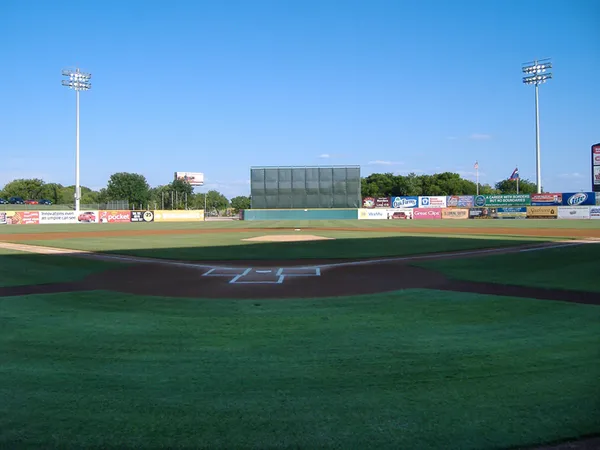
The project centers on a new 7,500-capacity venue planned near San Pedro Creek, intended to replace the city-owned Nelson W. Wolff Municipal Stadium, where the team has played since the 1990s. The new stadium is projected at $160 million, though city officials have cautioned that early estimates indicate the final cost could exceed that figure. Under current terms, the team’s ownership group would be responsible for costs above the guaranteed maximum price.
How the stadium is planned to be funded
The financing plan calls for a blend of team investment, lease-related revenue and development-driven tax increments. The Missions’ ownership group is slated to provide $34 million upfront for construction. The remaining $126 million is expected to be financed through bonds issued by the San Pedro Creek Development Authority, an entity created to oversee stadium development and related public financing.
Debt service for those bonds is planned to be supported by annual rent and other payments tied to stadium operations, as well as revenue generated by a tax increment reinvestment zone that captures growth in local property tax collections within a defined area. City presentations have also described supplemental revenue streams, including long-term lease payments and a per-ticket fee.
- Team contribution: $34 million upfront
- Planned bond financing: $126 million through the development authority
- Repayment sources: rent/lease-related payments and tax increment revenue tied to surrounding development
Key dependencies: land, definitive agreements, and private development milestones
Before bonds can be issued and full construction can move forward, officials have described several prerequisites: finalizing definitive, legally binding agreements; completing remaining land transactions needed for the stadium footprint; and achieving specified private-development benchmarks around the ballpark.
The surrounding real estate plan—led by a developer that is also part of the team’s ownership group—has been described as a multi-phase redevelopment program projected to add hundreds of millions of dollars in taxable value over time. City briefings have indicated that bond issuance is linked to the start of an initial private construction phase.
City officials have framed the next steps as a sequence in which final agreements, financing and construction must line up to meet the April 2028 opening window.
Housing displacement remains a central point of scrutiny
A major element of the broader redevelopment plan involves demolition of the Soap Factory Apartments, a decades-old complex that has been a flashpoint in public debate over the loss of relatively lower-cost housing units near downtown. The city and the developer previously set aside funds to support tenant relocation, and residents have already been relocated as planning advances toward demolition and site work.
What happens to Nelson Wolff Stadium
City leaders have also begun outlining a separate process to determine the future use of the Nelson Wolff Stadium site once the Missions relocate. Officials have discussed engaging outside expertise to develop redevelopment concepts and deliver a draft plan later in 2026, alongside district-level community engagement led by the council office representing the area.
For now, the city’s stated objective remains unchanged: keep financing, land coordination and construction aligned to deliver a downtown opening day in spring 2028.