San Antonio prepares for 135th Fiesta April 16–26, with parades and measurable economic activity expected
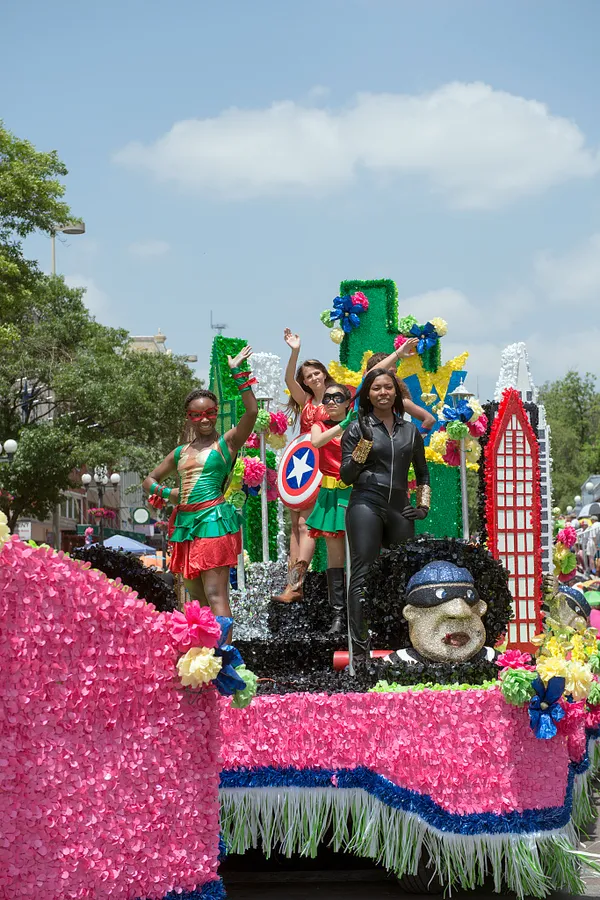
Fiesta’s 2026 calendar anchors 11 days of large-scale events downtown and across the city
San Antonio is preparing for the 135th anniversary of Fiesta, scheduled for April 16–26, 2026, a stretch that typically draws substantial crowds into the urban core and nearby neighborhoods for parades, performances, food events and community fundraisers.
The official kickoff, Fiesta Fiesta, is set for Thursday, April 16 at Travis Park, with programming listed from 4 to 10 p.m. The event is billed as free and family-friendly and is structured as an opening ceremony with entertainment and a People’s Parade.
Key parades carry the largest attendance and ticketed viewing options
Two of Fiesta’s most prominent spectator events—the Battle of Flowers Parade and the Fiesta Flambeau Parade—are scheduled for Friday, April 24 and Saturday, April 25, respectively. The Battle of Flowers Parade is slated to begin at 10:30 a.m. April 24, while the Flambeau Parade is scheduled to begin at 7:45 p.m. April 25.
Organizers have also publicized ticketed options for viewing areas along the routes. Street-chair tickets for each parade have been listed at $25 per seat, with section pricing varying for bleacher seating.
Fiesta Fiesta: April 16, 2026 (Travis Park)
Battle of Flowers Parade: April 24, 2026 (10:30 a.m.)
Fiesta Flambeau Parade: April 25, 2026 (7:45 p.m.)
Economic activity: past studies and city documents set a baseline, but year-to-year totals can shift
For the local economy, Fiesta’s impact is typically discussed in terms of visitor spending and local purchases tied to event attendance—admissions, food and beverages, retail, transportation, and lodging. A widely cited economic impact figure tied to a commissioned study from the late 2000s has placed Fiesta’s annual economic activity at about $284 million, a number that has been repeated in regional planning materials. Separate city documentation has also referenced a higher annual economic contribution—more than $340 million—underscoring that estimates can vary depending on methodology, event mix, and how indirect spending is modeled.
Even when headline totals differ, the mechanism is consistent: large, timed gatherings concentrate demand for downtown services, hospitality staffing, and event operations over a short period, while also generating revenue streams that support participating nonprofits and civic organizations that stage official Fiesta events.
Fiesta’s economic footprint is typically measured through attendee spending at events and related purchases across the city, including hotels, restaurants and transportation.
What to watch as Fiesta approaches
With the 2026 event window fixed, the practical questions for residents and visitors will center on logistics—route access, street closures, transportation options, and public-safety planning—alongside the pace of advance ticket sales for marquee parades. For businesses, the key variable is not whether demand rises during Fiesta, but how spending distributes across neighborhoods and days, and whether staffing and inventory can match peak crowd periods.