San Antonio residents photographed a SpaceX Falcon 9 launch and shared images through KSAT Connect
What San Antonio skywatchers saw Sunday evening
San Antonio residents shared photographs and short videos of a SpaceX Falcon 9 launch that was visible from parts of South Texas, using the KSAT Connect community platform. Posts described a bright object and an unusual glow in the sky, with multiple viewers reporting they initially did not understand what they were seeing.
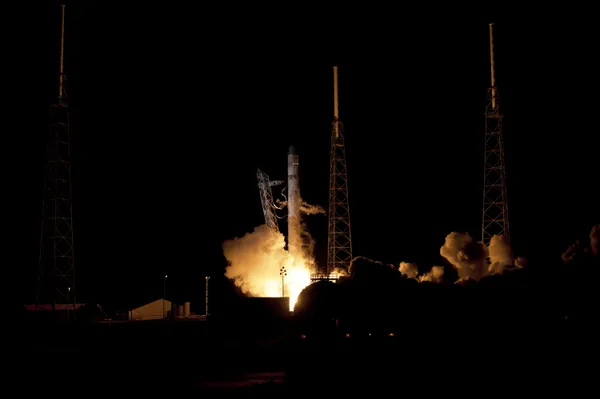
The launch took place Sunday, January 18, 2026, when a Falcon 9 lifted off from Cape Canaveral Space Force Station in Florida. The mission carried 29 Starlink satellites to low-Earth orbit. SpaceX also recovered the rocket’s first-stage booster on an Atlantic Ocean droneship after stage separation, continuing the company’s routine practice of reusing Falcon 9 hardware.
Why a Florida launch can be visible from Texas
Although the liftoff occurred in Florida, the upper stage of an orbital rocket can be visible over a wide geographic area as it travels downrange and climbs to altitude. Under the right conditions, sunlight can illuminate exhaust high above Earth while it is darker at ground level, producing a luminous plume that appears unfamiliar to casual observers.
Residents posting to KSAT Connect reported seeing the Falcon 9’s second stage around 7:05 p.m. Central Time, consistent with a mission timeline in which the rocket’s upper stage continues powered flight and later performs burns to place satellites into their intended orbit.
Starlink and the purpose of the mission
The Falcon 9 flight supported the ongoing expansion of Starlink, SpaceX’s satellite internet network. Starlink is designed to deliver broadband service using a large constellation of satellites in low-Earth orbit, with coverage intended for areas where ground-based internet infrastructure is limited or unavailable.
SpaceX has conducted frequent Starlink missions in recent years, and the growing cadence of launches has increased the likelihood that residents far from the coast will notice rocket stages, reentry events, or sunlit exhaust plumes in the evening and early morning sky.
How the images moved from backyards to the public
KSAT Connect functions as a viewer-submission channel where residents upload photos and videos of local events, weather phenomena and notable sights. In this case, the platform became a rapid clearinghouse for reports from across the San Antonio area, including the North Side and Hill Country communities such as Mico.
- Multiple posts described the object as a “strange light” or something difficult to explain.
- Submissions documented the same event from different neighborhoods, suggesting broad visibility.
- Viewers’ captions and timestamps helped establish when the phenomenon was most noticeable locally.
For many residents, the visibility of an orbital launch underscored how modern rocket activity can be observed far from a launch site when atmospheric and lighting conditions align.
As rocket launch frequency continues to rise, local stations and community platforms are increasingly serving as the first stop for residents seeking to identify unusual sky sights in real time.