San Antonio retail construction reaches post-pandemic high while occupancy stays above 95% across major centers
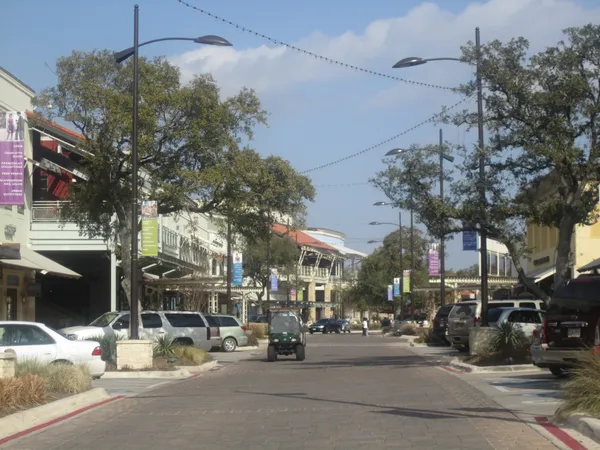
New supply rises, but most space is already spoken for
San Antonio’s retail development cycle accelerated in 2025, reaching its highest level of new construction since the pandemic-era slowdown while the market remained tightly occupied. The metro added about 561,000 square feet of new retail space during 2025, a year-over-year increase of roughly one-third from 2024’s total. Even with that additional inventory, overall occupancy held at about 95.3%.
The combination of rising construction totals and sustained occupancy reflects a market where new projects are frequently anchored by large, destination tenants and delivered with significant pre-leasing in place. In practical terms, much of the “new” space arrives with committed users rather than as speculative storefront inventory.
Anchors and experiences lead the current wave of projects
The largest deliveries have concentrated around major anchors and entertainment-oriented formats, including new or expanded sites tied to grocery and big-box retail. Recent construction activity has been associated with tenants such as H-E-B, Dick’s House of Sport, Academy Sports and Topgolf, which typically pull additional shop space and service uses into the same centers.
This anchor-heavy profile has mattered for market fundamentals. When large-format projects are pre-leased, they can lift overall occupancy even in years when the headline construction figure jumps.
Backfilling keeps vacancies from building up
Leasing has also been supported by the speed at which second-generation space is being absorbed. Fitness operators and value-oriented retailers have been active in taking over boxes previously occupied by other chains, limiting the time that large spaces sit dark. Examples in recent cycles include gym brands replacing former Gold’s Gym locations, illustrating how the market has relied on conversions rather than prolonged vacancy.
Costs constrain building, pushing up rents for new product
Developers and landlords continue to face headwinds from elevated construction costs and financing conditions. Those pressures have reinforced a pattern in which projects move forward primarily when rents can justify new builds or when an end-user anchor is secured early. In that environment, new construction has tended to price at a premium, with asking rates for newly delivered space reported as high as $60 per square foot in top locations.
Investor demand follows occupancy and grocery strength
High occupancy has also supported investment activity in stabilized, tenant-filled centers—particularly grocery-anchored properties. Recent transactions have included the purchase of Village at Blanco, a center anchored by an H-E-B Plus and also featuring a Lowe’s, as part of a larger multi-city portfolio deal.
- 2025 new retail space delivered: about 561,000 square feet
- Overall occupancy: about 95.3%
- New-product rents in prime sites: reported up to $60 per square foot
With tight occupancy and most new space driven by anchors, San Antonio’s retail growth in 2025 reflected expansion into a market that remains supply-constrained rather than oversupplied.
Looking ahead, continued population and employment growth trends are expected to keep demand focused on well-located corridors, while the pace of new projects will likely remain closely tied to pre-leasing and financing feasibility.