San Antonio Zoo reports two Congo peafowl hatchlings, expanding a long-running conservation breeding effort
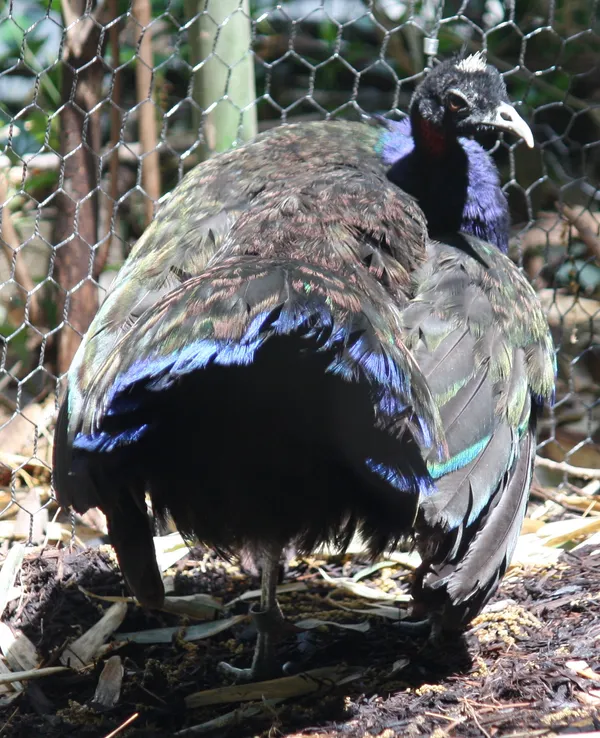
Rare forest birds hatch in San Antonio as zoo continues decades-long Congo peafowl care
San Antonio Zoo has announced the hatching of two Congo peafowl chicks, a development that animal-care staff described as significant for a species seldom seen in captivity and difficult to study in the wild. The chicks are being hand-reared in a specialized behind-the-scenes aviculture facility at the zoo known as The Nest.
Congo peafowl are native to the Congo Basin in the Democratic Republic of the Congo and are the only peafowl species indigenous to Africa. They are smaller than the more familiar Indian peafowl and have distinct plumage: males show deep blue-violet coloration, while females are more brown-green, a pattern associated with camouflage on the forest floor.
What the hatchings add to the zoo’s breeding record
San Antonio Zoo has maintained Congo peafowl since 1989 and, in recent years, has built one of the country’s largest managed groups. Zoo officials said their breeding program was revitalized in 2024 and has produced multiple chicks since then, including six in 2024 and eight in 2025. With the newest hatchlings, the zoo reported a lifetime total of 67 Congo peafowl chicks produced through its efforts.
The zoo said the two newest chicks remain off exhibit while they receive intensive care. Visitors can still see older Congo peafowl in public-facing bird areas, including Bird Alley and the F. C. Hixon Bird House.
Why Congo peafowl are challenging to protect
In their native range, Congo peafowl live in lowland forests and are considered difficult to survey because of their secretive behavior. Scientific field work in parts of eastern Congo (historically referred to as Zaire) has documented how local pressures can reduce sightings and fragment populations. Researchers have identified two recurring threats: habitat loss linked to logging, mining and land conversion, and incidental capture in snares set for other wildlife.
Global assessments generally describe the species as facing elevated risk from continued habitat degradation across portions of the Congo Basin, even as precise population estimates remain uncertain because of the bird’s elusive nature and the logistical barriers to long-term monitoring in remote forest regions.
How conservation breeding fits into broader efforts
Modern zoo-based conservation breeding is typically designed to keep captive populations healthy and genetically diverse, with coordinated planning among accredited institutions when programs exist for a given species. San Antonio Zoo has positioned its aviculture work as part of this broader conservation approach, pairing hands-on animal care with public education through on-site viewing and guided behind-the-scenes experiences.
- Two Congo peafowl chicks have hatched and are being hand-reared at San Antonio Zoo.
- The zoo reports it has cared for the species since 1989 and has produced 67 chicks over time.
- Field research has linked the species’ decline to habitat loss and capture in snares.
The new chicks are being raised out of public view while they develop, with older birds available for visitors to see in the zoo’s bird exhibits.