Smoke odor across San Antonio traced to smoldering landfill fire and shifting winds amid dry conditions
What residents are noticing
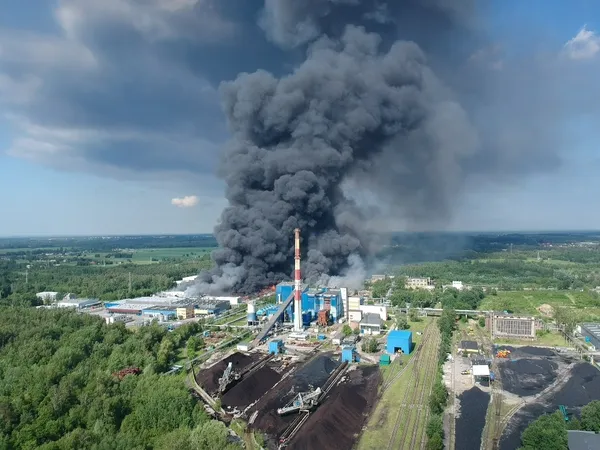
Across parts of San Antonio on Thursday, March 19, 2026, residents reported a pronounced smoke smell—strong enough in some areas to be noticeable indoors. The reports were concentrated on the West and Southwest sides, including corridors near Loop 1604 and U.S. 90, and neighborhoods around Valley Hi.
What is driving the smoke smell
City public-safety activity and public reports point to a fire at the Covel Gardens Landfill on the city’s Southwest side that was extinguished but continued to smolder. Smoldering hotspots can persist after visible flames are knocked down, producing intermittent smoke and odor depending on how material is packed, oxygen reaches the burn area, and suppression efforts cool the site.
Winds can then carry that smoke over long distances within the metro area, creating a widespread odor even when a plume is not easily visible at street level. The same mechanism can make impacts feel uneven: one neighborhood may smell smoke strongly while another, only a few miles away, smells little or none.
Why smoke events are more likely during current conditions
San Antonio is moving through a period in which wildfire risk has been elevated across Texas, with state fire officials reporting unusually active wildfire conditions earlier this year. Locally, Bexar County has maintained burn restrictions in unincorporated areas amid ongoing concern about dry fuels and fast-moving fire potential.
Even when the immediate source is not a grassfire or wildfire, those broader dry and windy patterns can influence how quickly fires start, how long residual heat lingers, and how readily smoke spreads.
How to interpret what you smell—and when to report it
Smoke smell without visible flames can still signal a nearby smoldering source or a fire several miles upwind.
Odors that resemble chemicals or burning plastic should be treated differently than a typical “wood smoke” smell and reported promptly, especially if accompanied by irritation, headaches, or visible haze.
If you see active fire or heavy smoke, residents should call 911. If the concern is primarily odor without visible smoke, 311 is an appropriate channel for non-emergency reporting within the city.
Smoke conditions in a large city can change hour to hour. A smoldering source may produce brief waves of odor as wind direction and speed shift.
Public health considerations
Smoke contains fine particles that can aggravate asthma and other respiratory conditions. People who are sensitive—such as children, older adults, and anyone with heart or lung disease—may reduce exposure by closing windows, running HVAC systems with clean filters, and limiting prolonged outdoor exertion while smoke is present.
Officials can also issue additional guidance if air-quality monitors register elevated particle levels or if suppression operations at the landfill change conditions.