Southstar buys historic Lone Star Brewery property, restarting long-stalled redevelopment talks for San Antonio’s riverfront south of downtown
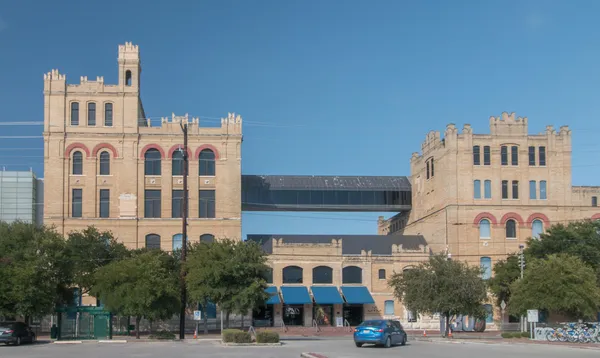
A landmark site changes hands after years of stalled plans
A new owner has acquired the former Lone Star Brewery property along the San Antonio River, a 32-acre historic industrial complex south of downtown that has remained largely dormant since the brewery closed in 1996. The buyer, Southstar, is a New Braunfels-based developer with prior large-scale residential and mixed-use projects in the San Antonio region.
The purchase resets a redevelopment effort that has cycled through ambitious proposals and market setbacks for decades. Southstar’s leadership has described the property as a complex, multi-stakeholder opportunity and said redevelopment will require a shared vision shaped with community participation. Specific site plans, tenant commitments, and a construction timetable have not been publicly detailed.
Why the Lone Star site has been difficult to redevelop
The Lone Star Brewery complex sits at a strategic bend of the river near established neighborhoods and existing arts activity in Southtown, but it also carries the typical challenges of legacy industrial properties: aging structures, environmental remediation needs, and high upfront infrastructure costs. Previous redevelopment attempts have struggled to move from master planning to sustained construction, particularly amid shifting financing conditions and the complexity of coordinating public and private interests along the river corridor.
In 2020, GrayStreet Partners and Midway purchased the property and promoted a large mixed-use concept branded as the “Lone Star District,” including adaptive reuse of historic brewery buildings and new residential and commercial components. That effort later stalled and the property was marketed again, setting the stage for the latest change in ownership.
What Southstar says it is aiming to do
Southstar has emphasized continuity with the site’s legacy and a “community-focused” approach, framing the project as both an economic development effort and a place-making initiative tied to the river. The company has also signaled interest in aligning redevelopment with other major initiatives underway in San Antonio, including transit-oriented development planning and broader river corridor goals.
- Adaptive reuse potential for historic brewery, storage, and cannery structures
- Mixed-use outcomes under discussion, including housing, retail, restaurants, and event-oriented space
- A stated goal of better connecting nearby neighborhoods to each other and to the riverfront
Possible expansion beyond the 32-acre brewery footprint
Southstar has explored control of a significantly larger redevelopment area along both sides of the river by pursuing adjacent parcels, including industrial and utility-related properties nearby. If assembled, the broader footprint could exceed 70 acres and would materially shape what is feasible in terms of street connections, river access, land-use transitions, and buffering between residential areas and remaining industrial activity.
The site’s next phase is expected to involve feasibility work, stakeholder engagement, and evaluation of what elements of prior planning can be advanced under new ownership.
What to watch next
Near-term indicators of momentum will include any public filings, rezoning requests, historic preservation commitments, environmental remediation milestones, and infrastructure planning tied to the river and surrounding streets. Without a published timeline, the most concrete next steps are likely to be process-driven: assembling land where possible, establishing a financing structure, and defining a phased plan that can begin with achievable early construction packages.
For nearby residents and businesses, the central question remains whether a new ownership structure can convert long-discussed concepts into a durable, phased redevelopment that restores the landmark complex to active use while addressing affordability, connectivity, and riverfront access.