Southtown’s next development wave brings housing, business expansion and renewed focus on preserving historic identity
Southtown’s growth enters another chapter
Southtown—an umbrella term commonly used for the districts of King William, Collins Garden, Lavaca, Lone Star and Roosevelt—has become one of San Antonio’s most visible examples of neighborhood reinvention. The area sits just south of downtown, framed by major roadway edges and anchored by destinations that blend older building stock with newer dining, retail and cultural uses.
The neighborhood’s current momentum follows a decades-long arc: early settlement patterns tied to German immigration in the 19th century, periods of decline in the mid-20th century, and a revival that accelerated in the 1990s as renovation, arts activity and small business openings reshaped perceptions of the area.
Historic roots and the preservation framework
King William, a key component of Southtown’s identity, was designated San Antonio’s first local historic district in 1968. It was later listed on the National Register of Historic Places in 1972. Those designations established a formal preservation context that continues to influence redevelopment decisions, from restoration work on older residences to the adaptive reuse of former industrial and civic buildings.
Arts infrastructure as an economic engine
Southtown’s arts-centered brand has been reinforced by institutions and recurring events. First Friday, established in 1994 and anchored by the Blue Star Arts Complex, remains a consistent draw for galleries, studios and vendors and has expanded into a broader neighborhood-scale experience over time.
First Friday’s longevity has helped sustain a regular audience for small galleries and artist-run businesses, while increasing foot traffic for nearby restaurants and retailers.
Restaurants, nightlife and small-business turnover
Food and beverage operators continue to shape the neighborhood’s street life, with both longstanding destinations and newer concepts cycling into prominent storefronts. Recent activity includes restaurant relocations within Southtown and repurposing of spaces previously occupied by other operators, reflecting steady churn typical of high-demand corridors.
Housing growth and public-realm investments
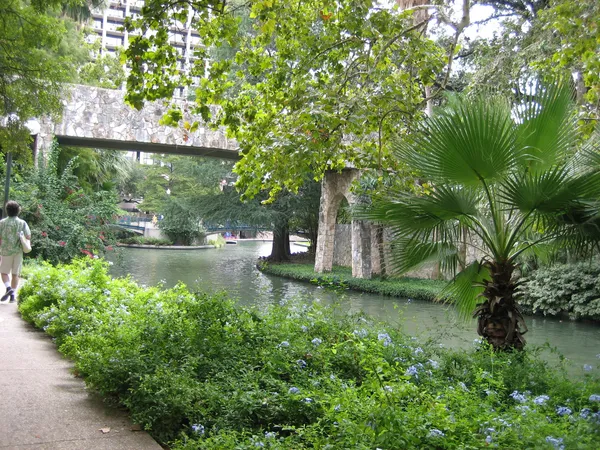
Business and civic leaders anticipate additional residential development, including multifamily projects, as demand expands near downtown employment and cultural nodes. Southtown’s appeal is also tied to mobility and public-realm assets: proximity to the River Walk and the San Pedro Creek corridor, plus walkable blocks that support short trips between housing, restaurants and cultural venues.
Access to daily needs has been a parallel theme in downtown-adjacent growth. The H-E-B South Flores Market opened on Dec. 2, 2015, providing a full-service grocery option near the urban core and serving as a marker of increasing residential density and consumer demand.
What to watch next
New housing proposals that increase density while navigating historic-district constraints.
Adaptive reuse of older commercial and civic structures, including properties periodically listed for sale.
How event-driven visitation and day-to-day neighborhood needs are balanced as activity intensifies.
Southtown’s next phase is expected to be defined less by a single project and more by cumulative change—incremental development, continued small-business turnover and preservation-driven decisions shaping how growth is absorbed over the coming years.