Spring break travel from San Antonio: What to know about flying, driving, and avoiding delays
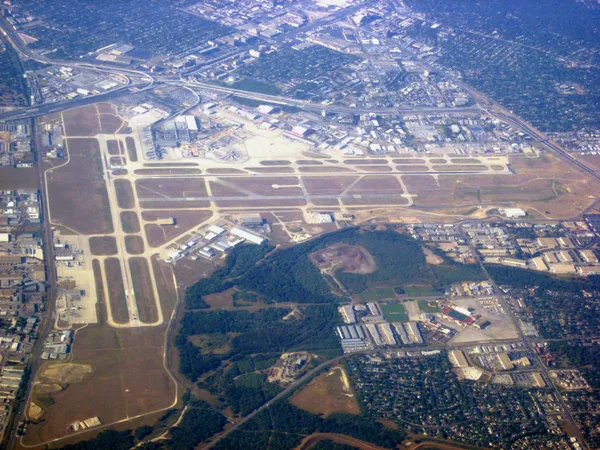
A travel surge is expected at San Antonio International Airport
San Antonio International Airport is forecasting a busy spring break period, with about 328,000 travelers expected to fly in and out from Friday, March 6, through Sunday, March 15. The airport has identified Thursday, March 12, and Friday, March 13, as the anticipated peak days for passenger volume.
Airport officials are advising travelers to plan ahead for parking and screening, emphasizing that spring break typically concentrates departures into narrow morning and midday windows that can amplify lines at ticket counters, bag drop and checkpoints.
How early to arrive, and what SAT says can slow you down
For spring break travel, the airport’s published guidance recommends arriving two hours before boarding for domestic flights and three hours for international flights. Separately, the airport’s security information page notes airlines generally advise arriving 90 minutes before domestic departures, and two hours during peak travel periods.
Travelers can reduce last-minute friction by completing check-in before arriving at the terminal when available, using self-service kiosks if needed, and reviewing screening rules for liquids, food and electronics. Parking is another pinch point: the airport highlights several on-site options, including short-term and long-term garages, economy lots with shuttle service, and valet service in the short-term garage.
Driving to spring break destinations brings different risks
For travelers choosing to drive, Texas transportation and law-enforcement agencies are urging motorists to expect heavier traffic and to prioritize basic crash-prevention steps during the spring break and St. Patrick’s Day period. Their guidance includes avoiding alcohol before driving, eliminating distractions, wearing seat belts, slowing down in heavy traffic or construction zones, and giving emergency vehicles and roadside responders extra space by moving over or slowing down when lights are activated.
State officials also remind drivers to check vehicle readiness before leaving—tires, brakes, lights and secure cargo—because minor mechanical issues can become major delays in high-traffic corridors.
Practical checklist for San Antonio-area travelers
If flying, build extra time for peak days (March 12–13) and for parking shuttles, bag drop and screening.
Confirm terminal and airline requirements in advance, including baggage limits and check-in deadlines.
If driving, plan rest stops, share driving duties when possible, and avoid distractions—especially in unfamiliar areas and work zones.
Whether flying or driving, keep essentials accessible (identification, medications, chargers) and secure valuables.
Spring break travel tends to compress into a few high-demand days. Planning for parking, arrival time and compliance with safety rules can reduce delays and lower the risk of incidents.