Texas federal eVTOL pilot program could bring early air taxi testing to San Antonio region
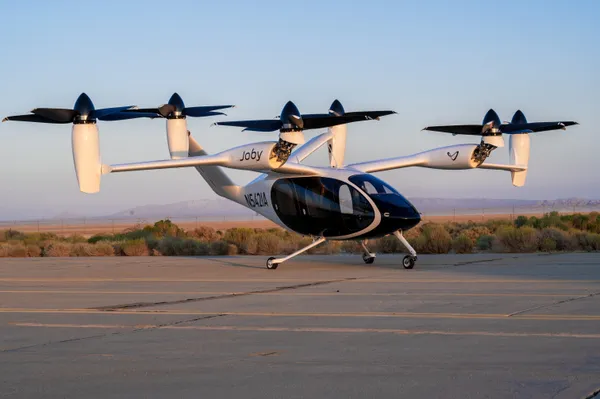
Texas selected for new federal eVTOL integration pilot
Texas transportation officials have been selected for a new federal pilot program intended to accelerate real-world testing of electric vertical takeoff and landing aircraft, a category that includes future air taxi services. The initiative is designed to evaluate how advanced aircraft can operate safely alongside existing aviation traffic while regulators develop rules for broader deployment.
The Texas proposal centers on building a regional network connecting the state’s largest metro areas, including San Antonio, with routes that could later extend into smaller communities. The concept focuses on the “Texas Triangle,” linking Dallas–Fort Worth, Austin, San Antonio and Houston, with an emphasis on moving from isolated demonstrations to an interconnected operating environment.
How San Antonio fits into the test footprint
San Antonio is positioned as one of the cities where planning, infrastructure work and flight operations could be developed as the program advances. At the local level, Port San Antonio has been identified among the participating locations for collaborative work related to advanced air mobility, including preparation for facilities that could support vertical flight operations.
Separate planning documents and public statements about Port San Antonio’s long-term aviation strategy have described a future “vertiport” concept—ground infrastructure tailored for frequent arrivals, departures and charging of electric aircraft. Those plans have indicated that some site work and enabling infrastructure improvements have been underway, while facility designs remain subject to refinement as standards and operational requirements become clearer.
Phased approach: from route validation to passenger flights
The Texas effort is structured as a multi-year project with phased milestones. Early stages are focused on route planning, technology testing and procedures for safely integrating new aircraft into the airspace. A subsequent phase is expected to evaluate non-passenger missions that can demonstrate operational value while building experience, including cargo and logistics movements and emergency-response use cases.
A later phase is expected to introduce passenger-focused operations, if safety, regulatory and infrastructure benchmarks are met. Public timelines discussed by program participants have tied any visible passenger air taxi service to the latter part of the decade rather than the near term, reflecting the additional certification, operational approvals and ground-facility readiness required before routine passenger flights can begin.
Companies and oversight
Multiple aircraft developers have been referenced as partners for Texas-focused work, including Archer Aviation, BETA Technologies, Joby Aviation and Wisk Aero. The federal program is being coordinated with aviation regulators, and the data generated through demonstrations and operational testing is intended to inform future standards and rules for integrating electric and potentially autonomous flight technologies at scale.
- Primary goal: safe integration of new aircraft into existing airspace operations
- Geographic focus: regional links among major Texas metros, with potential rural extensions
- Local relevance: infrastructure and operational planning tied to Port San Antonio
Key unresolved issues for the industry include aircraft certification timelines, noise and community compatibility, air traffic procedures, ground charging and maintenance logistics, and the pace at which regulations evolve to support routine passenger service.