UT Health San Antonio inaugurates Center for Excellence in Diabetes, expanding research and coordinated care efforts
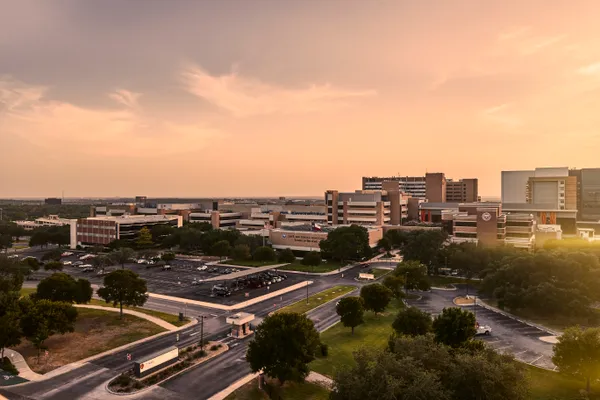
A new hub aimed at diabetes science, collaboration, and translation to patient care
UT Health San Antonio has formally inaugurated its Center for Excellence in Diabetes, a program designed to consolidate and accelerate the institution’s diabetes-focused research and to strengthen coordination between laboratory discovery, clinical care and community-facing efforts. The center was launched in the summer of 2025 and held inauguration events in March 2026, reflecting a push to operationalize its activities across research and clinical teams.
The initiative arrives as diabetes remains a major driver of preventable complications and health care utilization in San Antonio and across South Texas, where clinicians report sustained demand for specialty services addressing diabetes, obesity and related metabolic conditions. UT Health San Antonio’s health system has also expanded capacity for metabolic care in recent years through multidisciplinary clinic growth at its Gateway location.
How the center is positioned inside a broader metabolic-health strategy
The Center for Excellence in Diabetes is being framed as a connective structure across existing strengths rather than a single new clinic. UT Health San Antonio’s metabolic-health portfolio includes work spanning obesity, metabolic liver disease, diabetic kidney disease, neuropathy, and limb-salvage research and care. Faculty groups have also been studying the real-world limitations of current therapies, including medication access and durability of benefit after discontinuation.
The center’s model emphasizes collaboration among investigators and clinicians, with an explicit goal of moving findings into routine care pathways. That approach aligns with how academic medical centers typically build disease-specific centers: by linking shared research infrastructure, clinical programs and training to speed implementation of evidence-based practices.
Research themes: from complications to earlier detection and intervention
Diabetes research at UT Health San Antonio includes efforts addressing complications that account for substantial morbidity, including kidney disease, nerve damage, and diabetic foot conditions associated with ulceration and amputation risk. The institution has hosted interdisciplinary professional education focused on diabetic foot complications, reflecting the clinical complexity of advanced disease and the need for coordinated specialty care.
Another area of emphasis has been earlier identification of risk, including prediabetes initiatives supported by local philanthropic funding to improve early intervention and treatment pathways. Taken together, these lines of work support a continuum strategy: prevention and early treatment, tighter metabolic control, and targeted management of organ-specific complications when disease progresses.
What changes for patients and the region
For patients, the near-term impact is expected to be organizational: a clearer entry point for diabetes-related clinical trials, new care models and specialty referrals, alongside increased coordination among endocrinology, primary care and complication-focused services. For the region’s research ecosystem, the center adds a dedicated umbrella for diabetes innovation at a time when San Antonio’s academic health enterprise is expanding its federally funded research footprint and cross-disciplinary collaborations.
- Centralized support for diabetes-oriented research collaboration and translation
- Stronger integration between metabolic clinics and complication-focused specialty services
- Expanded platform for clinical studies and implementation of evidence-based care models
The Center for Excellence in Diabetes is designed to function as a hub that links investigators and clinicians, with the aim of translating research into measurable improvements in care delivery and outcomes.
UT Health San Antonio has not presented the center as a single solution to a complex chronic disease. Instead, the stated direction is to concentrate expertise, streamline collaboration and build a durable structure for long-term diabetes research and care improvements in South Texas.