Waymo Robotaxi Stops in San Antonio Intersection, Raising Questions About Signal Recognition and Remote Assistance
Downtown incident briefly obstructed traffic
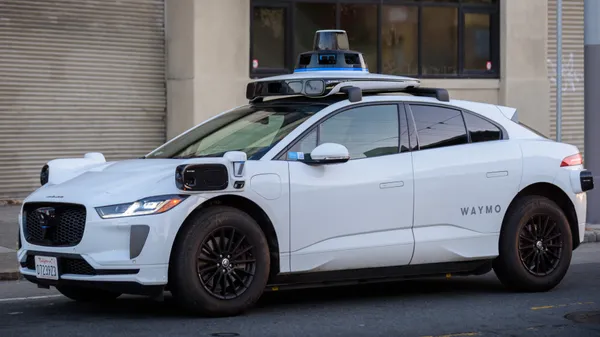
A Waymo autonomous vehicle stopped in a downtown San Antonio intersection and remained stationary long enough to partially obstruct traffic before it continued on its route. The incident drew attention because the vehicle appeared to sit through multiple traffic-signal cycles while other vehicles proceeded normally.
Waymo attributed the stop to an issue involving the traffic light. Observers at the scene, however, described the signal as operating normally while the vehicle remained in place. The vehicle later moved after receiving clearance from Waymo’s fleet response team, a remote support function used when a vehicle encounters a scenario it cannot resolve on its own.
How remote support can shape real-world behavior
Autonomous ride-hailing systems rely on onboard sensors and software to interpret roads, signals, and other road users. When the system is uncertain, companies can use remote assistance to provide guidance, such as confirming whether it is safe to proceed. That safeguard is designed to prevent risky maneuvers, but it can also result in vehicles waiting in place until a human review is completed.
Recent disruptions elsewhere have highlighted how infrastructure anomalies—such as traffic signals that are dark, malfunctioning, or difficult to interpret—can generate spikes in requests for remote confirmation. When many vehicles need help simultaneously, the queue for human review can grow, increasing the chance that vehicles remain stopped in travel lanes or intersections longer than surrounding traffic.
Texas scrutiny builds alongside expansion plans
The San Antonio incident surfaced amid heightened attention on Waymo’s Texas operations. In Austin, school officials recently raised concerns that autonomous vehicles had passed stopped school buses when stop arms were deployed, a maneuver that is illegal in many circumstances and treated as a serious roadway-safety issue. Waymo said software changes were implemented to address the behavior, while the district maintained that violations continued and signaled potential legal action along with a request to halt operations during school transport hours.
Waymo has been expanding its footprint beyond its earliest markets and has begun operating in Austin through a partnership that allows riders to be matched with a Waymo vehicle via a major ride-hailing app. The company has also been preparing for additional deployments in 2026 and has maintained a limited San Antonio presence as part of a test fleet.
Key facts and unresolved questions
- The vehicle stopped in an intersection and partially blocked traffic before resuming movement.
- Waymo said a traffic-signal issue led to the pause; witnesses reported the light appeared to be functioning.
- The vehicle eventually proceeded after remote clearance from Waymo’s fleet response team.
- The incident adds to ongoing questions about how autonomous systems handle signal anomalies and how quickly remote assistance can respond in complex urban conditions.
For city officials and road users, the episode underscores a central operational issue for autonomous fleets: when vehicles become uncertain, the safest choice may be to stop—yet stopping in an active intersection can itself create a traffic hazard.
No injuries were reported in connection with the San Antonio stoppage. City and company representatives have not disclosed whether any changes to local testing procedures or software behavior will follow the incident.