West Side San Antonio house fire destroys longtime family home, heat warps neighboring siding and windows
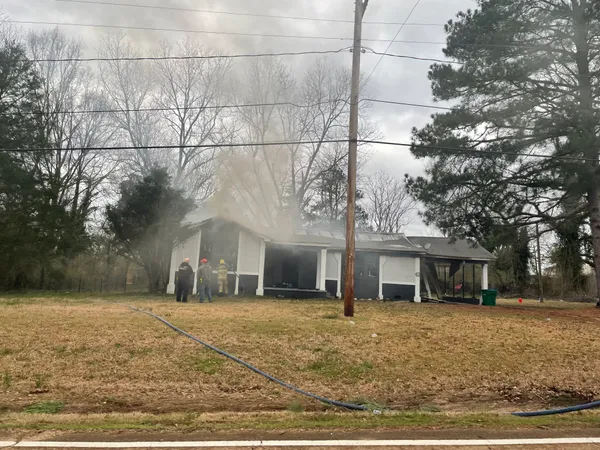
Early-morning blaze damages two properties on Cypressbrook Drive
A fast-moving house fire on San Antonio’s West Side destroyed one home and damaged a neighboring residence after intense heat warped exterior materials, including siding and windows. The fire broke out before dawn on Thursday, June 20, 2024, in the 700 block of Cypressbrook Drive, in the far West Side area near Potranco Road and South Ellison Drive.
Fire crews were called to the scene at about 4:45 a.m. Investigators initially identified the garage as the apparent starting point. From there, flames spread rapidly through the structure, prompting residents to flee and seek help from neighbors as the fire intensified.
Evacuations and exposure risk as flames pushed toward nearby homes
As crews worked the fire, nearby residents were warned to leave their homes temporarily as a precaution. The close spacing of houses in many West Side subdivisions can increase exposure risk when a fire produces sustained high heat and embers, even when flames do not directly contact neighboring structures.
In this incident, the adjacent homeowner later discovered heat damage that included melted exterior siding, cracked window glass along the lower portion of a window, and deformation to exterior features such as a chimney covering. Such damage can occur from radiant heat, which can be strong enough to soften or melt certain building materials and stress window assemblies.
Heat exposure during structure fires can cause damage beyond the primary building footprint, affecting nearby homes through radiant heat and convective hot gases.
Pets reported dead or missing; losses extend beyond structural damage
Authorities reported that three pets died in the fire and a fourth was unaccounted for in the immediate aftermath. While no civilian injuries were publicly confirmed in the initial reports, officials described significant loss inside the burned home and a difficult recovery for the occupants.
The family in the destroyed home had lived there for decades, and relatives were seen assessing what—if anything—could be recovered after the fire was brought under control. Damage estimates released in the early stages placed losses at approximately $150,000.
What happens next: investigation, repairs, and documentation
The cause remained under investigation following the initial response. For neighboring homeowners, next steps typically include photographing and documenting all exterior and interior impacts—such as cracked glazing, distorted siding, smoke intrusion, and water damage—then coordinating follow-up inspections and insurance assessments.
- Document visible heat impacts (warped siding, cracked windows, damaged vents and eaves).
- Check for secondary damage, including attic heat exposure, smoke infiltration, and compromised seals around windows and doors.
- Preserve receipts and repair estimates for potential claims tied to exposure damage.
Fire officials continued to examine the scene as residents began the longer process of cleanup, repairs, and recovery.