San Antonio flagged in Texas puppy-scam surge as fraudsters exploit online pet demand and payments
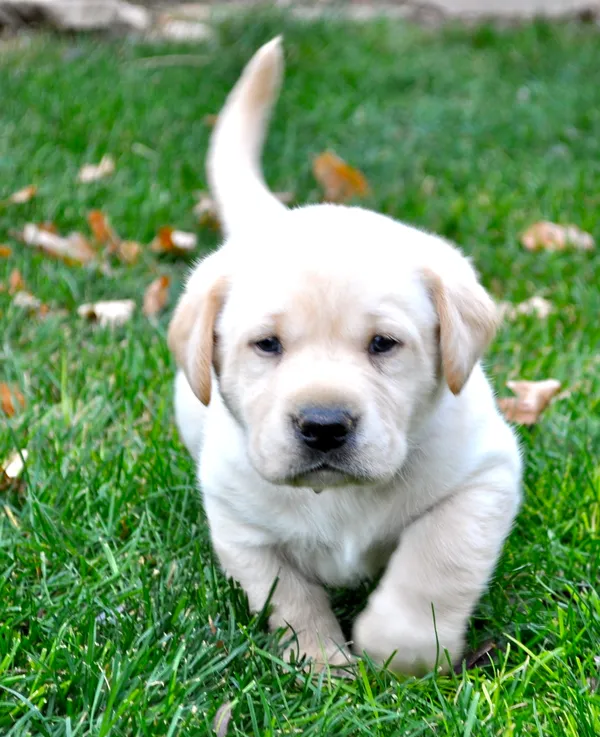
A growing share of pet searches starts online, and scammers are exploiting that demand
San Antonio is among Texas cities drawing heightened attention in consumer reports about “puppy scams,” a form of online fraud in which a buyer pays for a pet that never arrives or is pressured into sending additional money after an initial payment. The schemes typically begin with ads on social media, online marketplaces, or standalone websites that present themselves as breeders, rescues, or individuals “rehoming” an animal.
These scams are often designed to look legitimate. Fraudsters commonly use stolen photos, copied website text, and fabricated reviews to mimic real sellers. In many cases, communications move quickly to text messages or direct messages, where the buyer is encouraged to send a deposit to reserve the animal.
How the scams usually unfold: deposits, shipping claims and repeated add-on charges
Patterns described in national consumer fraud tracking show that the most frequently reported version involves an advertised puppy that does not exist. After a deposit is paid, the seller may demand extra charges tied to “shipping,” airline crates, vaccinations, insurance, taxes, or temperature-controlled transport. The pressure can escalate as the buyer becomes emotionally invested and tries to avoid losing the pet or the money already sent.
Losses reported in pet-purchase scams have been measured in the hundreds of dollars per incident in recent years, with some cases reaching into the thousands when multiple add-on payments are made. Holiday periods have been identified as a recurring peak time for reports, reflecting seasonal gifting and increased pet shopping.
- Common payment requests include wire transfers, prepaid cards, gift cards, or person-to-person payment apps.
- Refusal to allow an in-person visit or verifiable live video showing the animal and seller is a frequent warning sign.
- Listings featuring unusually low prices for popular breeds are repeatedly associated with scam reports.
Local angle: scams may target both prospective buyers and current pet owners
San Antonio residents have also been warned about pet-related impostor calls that use spoofed phone numbers to appear as if they originate from local animal services. In that scenario, callers claim a resident’s pet has been injured or impounded and demand an immediate “deposit” through a cash-sharing app for emergency care or release. Local officials have emphasized that legitimate shelters do not require upfront payments through cash-sharing apps as a condition of care or reunification.
Separately, local animal welfare organizations have issued alerts about impersonation attempts in which scammers claim to represent a shelter and seek payments tied to “urgent surgeries” or similar claims.
Practical steps consumers can use to reduce risk
Consumer protection guidance on pet scams consistently prioritizes verification and payment safeguards. The most effective step is confirming the animal and seller in person. When that is not possible, buyers are encouraged to require verifiable live video, independently confirm contact information, and avoid payment methods that offer limited dispute options.
Key safeguards include insisting on seeing the animal, resisting urgent payment demands, and walking away if the seller will not verify identity and location.
Residents who believe they have been targeted are advised to document communications and transactions and report the matter to appropriate law enforcement and consumer fraud reporting channels.
Cold front pushing south this weekend may bring widespread rain, thunderstorms, and cooler air across Texas
Woman seriously injured in stabbing near West Side transit corridor as police search for fleeing suspect

Hoops, Heritage, and Humidity: Your San Antonio Morning Briefing