San Antonio Police and Fire Departments Run Joint Active Shooter Training to Tighten Coordination Under Pressure
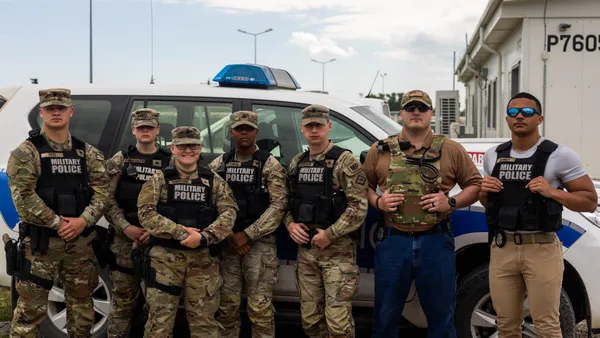
Joint drills simulate time-critical decisions and shared command
San Antonio police officers and firefighters are conducting joint, scenario-based training designed to improve how the two departments coordinate during an active shooter response. The sessions focus on the first minutes of an incident, when patrol officers move to stop an ongoing threat and fire and EMS personnel must balance rapid medical care with the risks of entering unsecured areas.
The training reflects a broader shift in public-safety planning toward integrated operations in active attack events, where law enforcement, fire, and emergency medical responders operate under a common structure to reduce delays, clarify roles, and prevent conflicting tactics at chaotic scenes.
What the training emphasizes
In integrated drills, instructors typically build scenarios that require multiple teams to communicate under stress, manage incomplete information, and execute rapid transitions from threat response to rescue and casualty care. San Antonio’s cross-department work centers on the same core challenge seen nationwide: a law enforcement operation can quickly become a mass-casualty medical operation, often within minutes.
Radio discipline and interoperable communications so incoming units can locate command and receive consistent direction.
Unified incident command practices that establish clear leadership, staging, and handoffs as the situation changes.
Coordinated movement for medical extraction and triage, including the use of protected teams to reach injured people while hazards may still exist.
Rehearsal of perimeter control and scene management to keep bystanders and non-essential traffic away from danger zones and medical corridors.
Why coordination between police and fire matters in active attacks
Active shooter incidents compress decision-making into seconds and can involve multiple rooms, floors, or buildings, complicating search patterns and casualty collection. In those conditions, police must prioritize stopping the threat while fire and EMS leaders need enough situational awareness to plan safe access routes, determine where to stage, and prepare for rapid treatment and transport.
Joint exercises are designed to reduce avoidable friction: uncertainty over when areas are sufficiently secured, confusion about where to deliver patients, and inconsistent messaging to arriving units. Drills also aim to strengthen a shared operating picture so that command staff can anticipate secondary risks and resource needs, including additional ambulances, trauma-capable hospital notifications, and crowd control in public venues.
Training as a recurring part of readiness in San Antonio
San Antonio has conducted multiple security and active-threat exercises in recent years at city facilities and major venues, reflecting an ongoing emphasis on preparedness for low-frequency but high-impact events. Repetition is a central feature of that approach: complex, multi-agency operations rely on practiced habits, common terminology, and familiarity with how each discipline operates.
Integrated active-attack training is designed to make police, fire, and EMS response function as one operation, not parallel efforts.
What residents should expect during exercises
Training operations can include visible emergency vehicles, simulated casualty care, and role players. When exercises occur at public buildings or large facilities, temporary closures or restricted access may be used to keep participants and the public separated and to allow realistic movement, staging, and communications practice.
Officials typically emphasize that drills are planned events and not a real emergency, but residents near training sites may still see an elevated responder presence while the scenario runs.
One person hospitalized and suspect detained after shooting near Frost Bank Center following Spurs game Thursday night
Two children struck while riding a bicycle in San Antonio; one remains in critical condition

Life sentences imposed for September 2022 Hollywood Park bar shooting that killed two people, injured another